Short answer
A good Feng Shui bathroom is first dry, ventilated, private, cleanable, and safe to use. Check for working exhaust, leaks, condensation, slippery routes, accessible storage, and a door that suits the household. Then use Feng Shui ideas about containment, quiet, and material balance as optional finishing preferences. A bathroom near the centre of a home, bedroom, kitchen, or so-called wealth area does not cause illness, debt, relationship trouble, or bad luck.
Bathrooms attract more fear-based Feng Shui rules than almost any other room. A search can make it sound as if one toilet location cancels the good qualities of an entire home. That is neither useful nor fair to people in apartments, older houses, accessible homes, and shared households. Bathrooms are service rooms. They handle water, heat, hygiene, noise, storage, and privacy. Their design deserves attention because those tasks matter every day—not because a label can forecast a person’s finances or health.
This guide separates three things that are often blurred together:
- Traditional interpretation: Water, release, privacy, and the visual containment of a utility room can carry symbolic meaning in Feng Shui.
- Building performance: leaks, moisture, exhaust, plumbing, mould, slips, electrical safety, and accessibility have real consequences and need real solutions.
- Personal preference: whether a mirror, colour, closed door, candle, bath mat, or storage style feels calm is a choice for the people who use the room.
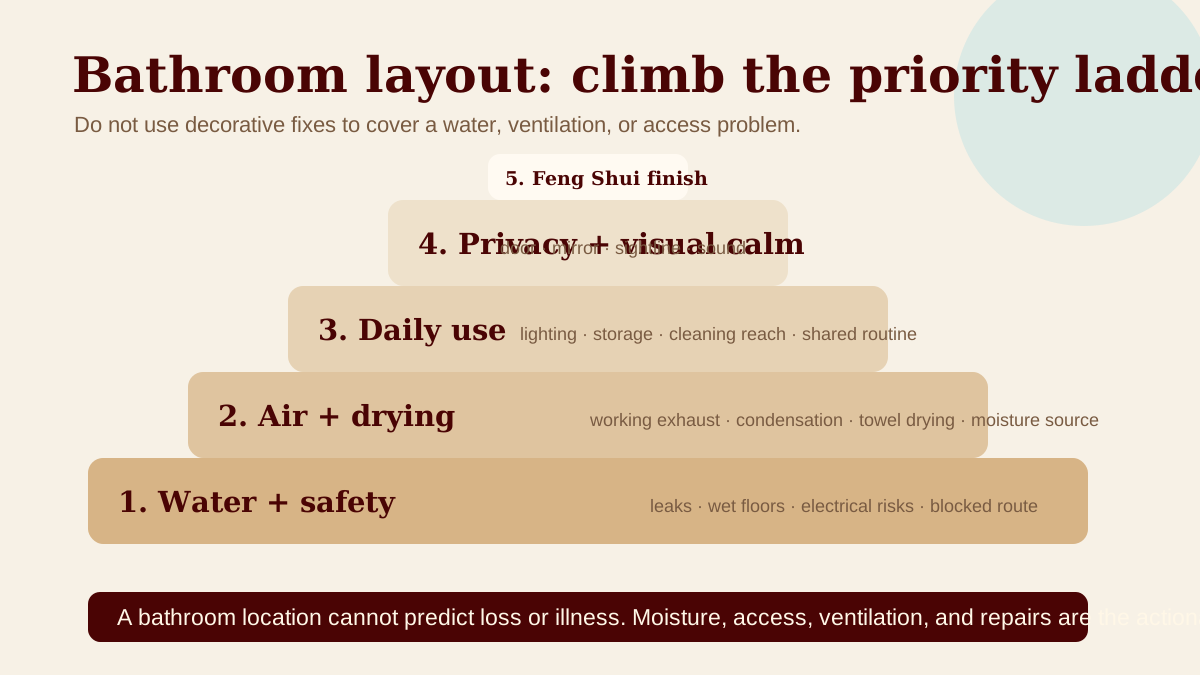
The bathroom priority ladder
Move upward only after the level below is acceptable. A pretty tray cannot compensate for an active leak, and a ritual cannot make a blocked route safe.
| Level | What to review | First useful action |
|---|---|---|
| 1. Water and safety | Leaks, loose fixtures, wet floor, electrical risks, blocked doors, fall risks | Stop or report the leak; dry the floor; keep exits and access clear. |
| 2. Air and drying | Exhaust to outdoors, window use, humidity, condensation, towel drying, musty odour | Run the fan; improve drying; document a failed fan or persistent moisture. |
| 3. Daily use | Storage, lighting, cleaning reach, shower entry, toilet clearance, shared routines | Put everyday items where they can be reached without cluttering the route. |
| 4. Privacy and visual calm | Door, mirror reflections, sightlines, toilet visibility, noise | Choose a screen, door habit, or storage solution that does not interfere with use. |
| 5. Feng Shui preference | Colour, material, symbolic containment, optional Five Elements choices | Keep only choices that support the first four levels. |
The ladder is an original Lucky Properties decision aid. It is especially useful when a bathroom sits in a location that online advice calls “bad.” Instead of panicking about a floor-plan overlay, identify the first actionable condition.
Begin with a five-minute moisture check
Bathrooms do not need to look neglected to have a moisture problem. Take a normal shower, then check the room after the steam has had time to settle. Use a light and your senses; do not diagnose hidden damage from a single clue.
Look for:
- water collecting at the shower threshold, toilet base, vanity, or floor edge;
- a fan that is noisy, weak, not used, or unclear about where it vents;
- condensation lingering on a window, ceiling, mirror, or cold surface;
- peeling paint, swollen trim, soft flooring, stained grout, or a musty odour;
- towels that never dry, crowded products that make cleaning impossible, or a bin that traps dampness;
- a bathroom door, window, or drawer that cannot open because of a bath mat, basket, or furniture.
The CDC advises using bathroom and kitchen exhaust fans that vent outdoors and fixing leaks so moisture does not support mould growth. The EPA describes source control, ventilation, and filtration as the main indoor-air strategies; in a bathroom, stopping the water source and getting moisture out usually matter more than adding fragrance or an air-cleaner. If you see or smell mould, do not use a Feng Shui object to cover it. The moisture source requires attention.
What “containment” can mean without the fear story
In many Feng Shui interpretations, a bathroom is associated with Water and release. That can lead to ordinary, sensible habits: close a lid before flushing, put supplies away, contain wet towels, keep the room clean, and avoid a direct view into a private utility space when possible. These can make a shared home feel more orderly.
They do not mean:
- a toilet drains your wealth;
- a bathroom location causes sickness or infertility;
- a mirror protects against financial loss;
- a plant, crystal, coin, or red ribbon repairs plumbing;
- a person should block a door, vent, or accessible route to “hold energy in.”
Use containment as a question: does this room keep water, products, sound, and visual clutter in a manageable place? That is a better design standard than an omen.
Toilet lid and door
Closing the lid before flushing is a practical hygiene preference as well as a common Feng Shui ritual. A closed door may support privacy, reduce a hallway view, or help keep a child or pet away from cleaning supplies. But a door should remain open when a carer needs access, ventilation needs it, a mobility device requires more turning space, or household use makes a closed-door rule unrealistic. A habit only works when it fits the people in the home.
Mirrors
Mirrors are useful in a bathroom. They help with grooming, bounce light, and can make a compact room feel less enclosed. Some people dislike seeing the toilet reflected in a mirror, particularly from a bedroom or hallway. If that reflection feels intrusive, angle the mirror, use a cabinet mirror, or change the sightline. Do not treat it as a predictor of loss. Never compromise safe lighting, an accessible mirror height, or secure mounting for symbolism. The mirror-placement guide adds entry, bedroom, living-room, and exterior-reflection checks.
The bedroom-bathroom relationship
A bathroom door facing a bed can be visually distracting, especially when a bright vanity light, fan sound, damp towels, or products are visible. Solve the actual disruption: use a dimmer or low night light, add closed storage, repair a fan rattle, close the door when that suits the household, or change the bed sightline if a workable layout exists. For the sleeping part of the room, use the bedroom sleep-environment audit rather than assuming the bathroom itself causes poor sleep.
Advertisement
Location questions: centre, bedroom, kitchen, and front door
Bathroom in the centre of the home
A central bathroom is a frequent Feng Shui concern because many maps treat the centre as symbolically important. Treat the concern as a prompt for an unusually good service-room review: Does the fan work? Is odour controlled? Is the plumbing accessible for maintenance? Does the door open onto the main living route? Is there a leak that could affect adjacent rooms? A well-maintained central bathroom is not a reason to reject an otherwise suitable home.
Bathroom near a kitchen
The practical issue is hygiene, plumbing, sound, and circulation—not a cosmic clash. A toilet door opening directly toward a food-prep area may feel uncomfortable. A closed door, cleanable surfaces, a working fan, good handwashing access, and a clear route matter. If a renovation is planned, consider sightlines and storage without sacrificing ventilation or legal clearances.
Bathroom beside a bedroom
Pay attention to pipes, exhaust noise, light spill, warmth, humidity, door latch noise, and the night route. These are common reasons a nearby bathroom interrupts rest. A quiet fan, a door sweep that does not block ventilation needs, soft-close hardware, a dim low-level light, and organised storage can be more effective than moving a bed to an awkward wall.
Bathroom visible from the entrance or living room
If the view bothers you, improve legibility rather than hiding the whole room behind a dangerous obstacle. A clean door, a usable handle, closed storage, and a calm hall wall can make the transition feel intentional. A door can stay closed during visits if that is comfortable. Do not block an exit, add an unstable screen, or leave a wet rug in a main route.
Small bathrooms: make the route do more work
In a compact bathroom, almost every object has to earn its footprint. Feng Shui language about clear flow aligns well with an ordinary small-space rule: keep the route from door to toilet, sink, and shower understandable.
Try these tests before buying storage:
- Open the door while someone stands at the sink. Does it strike a knee, hamper, or cabinet?
- Open the shower or tub door and a vanity drawer separately. Do they collide?
- Step out of the shower with a dry towel. Can you reach it without crossing a wet floor?
- Turn on the fan and vanity light. Does the noise or glare make the room harder to use?
- Put your everyday products in the room. Is the counter now impossible to clean?
Use vertical storage only if it is secure, reachable, and does not crowd a door swing or electrical fixture. A slim closed cabinet can make a small room calmer than several attractive open baskets that collect dust and dampness. If you use a plant, choose one that fits the available light and remove it if it becomes a mouldy, dripping, or difficult-to-clean object.
Accessible and shared bathrooms are not edge cases
Many visual Feng Shui guides assume a single able-bodied person in a large, newly designed bathroom. Real homes include children, older adults, people who use mobility aids, chronic illness, caregiving, shift work, and shared rentals. Their requirements are not a compromise after the “ideal” layout; they are the layout.
For every bathroom, ask:
- Can each user turn, sit, stand, wash, and reach what they need safely?
- Is the floor condition visible and manageable for someone with limited balance or vision?
- Are medication, grooming supplies, cleaning chemicals, and sharp tools stored appropriately?
- Does a person need a clear carer route, grab support, a shower seat, a low mirror, or a reachable light control?
- Do household routines create a queue, noise conflict, or wet-floor problem that storage or scheduling could reduce?
A stable, clear route is a strong expression of harmony. Do not add furniture, a heavy planter, or a decorative screen where it reduces access. Consult qualified professionals for accessible modifications, plumbing, electrical work, structural changes, or safety concerns.
Renter choices and renovation choices
If you rent
Use reversible changes first: a non-slip solution that does not bunch or block the door, a shower caddy that keeps products off the floor, hooks or bars used according to the lease, cleaning supplies that suit the surface, and a routine that lets towels dry. Report leaks, failed exhaust, broken caulking, persistent condensation, or visible mould through the required process. Keep photos and dates when appropriate.
Do not paint over mould, drill into waterproofing, replace an electrical fixture, modify exhaust, or alter plumbing without permission and qualified help. A rental’s fixed bathroom position is not a personal flaw. Your goal is a room that is safe and workable while you live there.
If you remodel
Start with the building questions: waterproofing, drainage slope, plumbing access, electrical protection, ventilation, permits, and code. Then decide the everyday sequence: where towels dry, where the bin sits, how the shower door opens, where a person puts a phone or glasses, and how cleaning tools are stored. Only after that should you choose the visual language—stone, wood look, colour, metal, or an optional Feng Shui palette.
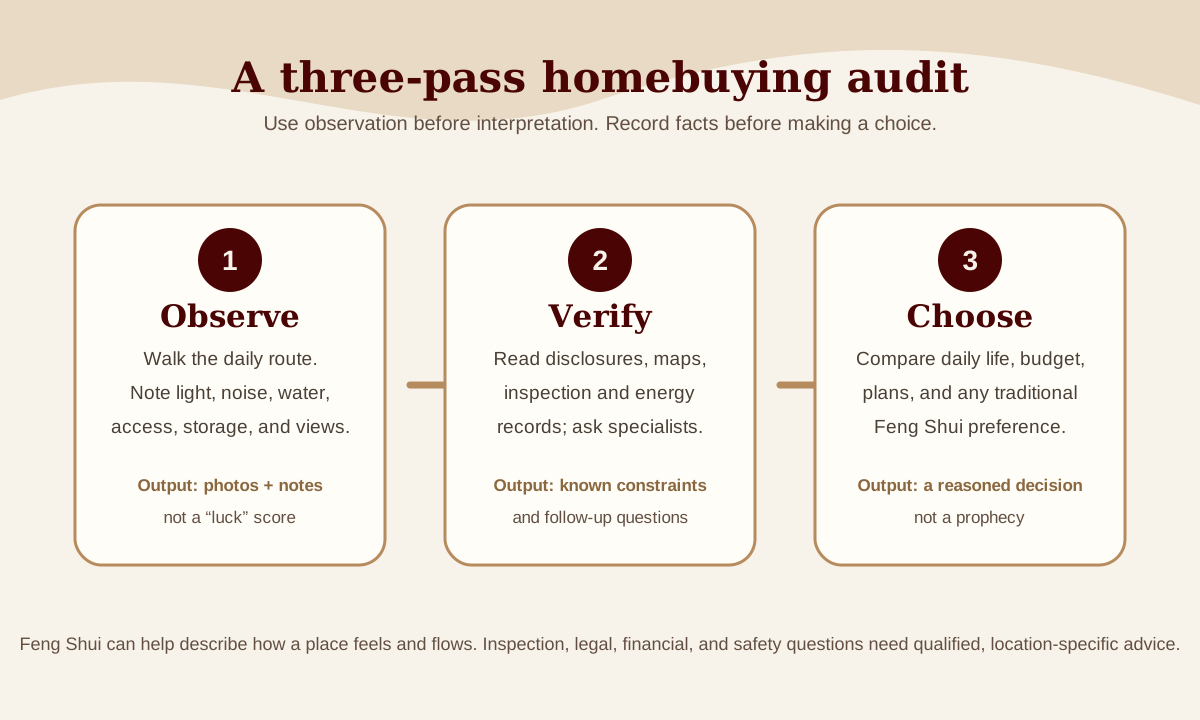
The renovation planning guide helps sequence those decisions. If you are comparing homes, the home-buying checklist gives you a way to record maintenance findings separately from a traditional preference.
Three honest examples
A bathroom in a “wealth” area
A homeowner overlays a Bagua map and finds a bathroom in an area associated with prosperity. The productive response is not to buy a cure. Check for leaks, use the fan, keep the room cleanable, repair a dripping fixture, and make the vanity storage suit daily use. If the household enjoys an Earth-toned tray or a wood-framed mirror, that is a valid design choice—but it does not alter a mortgage, income, or property value.
A condo ensuite with no opening window
Many condos rely entirely on mechanical exhaust. Find out whether the fan is functioning, how long it needs to run, and who maintains it. Keep the shower door or curtain arrangement from trapping unnecessary water, dry wet surfaces as needed, and report persistent condensation or a musty odour. Do not leave a fan problem to a candle, scented diffuser, or a houseplant.
A powder room off an open-plan kitchen
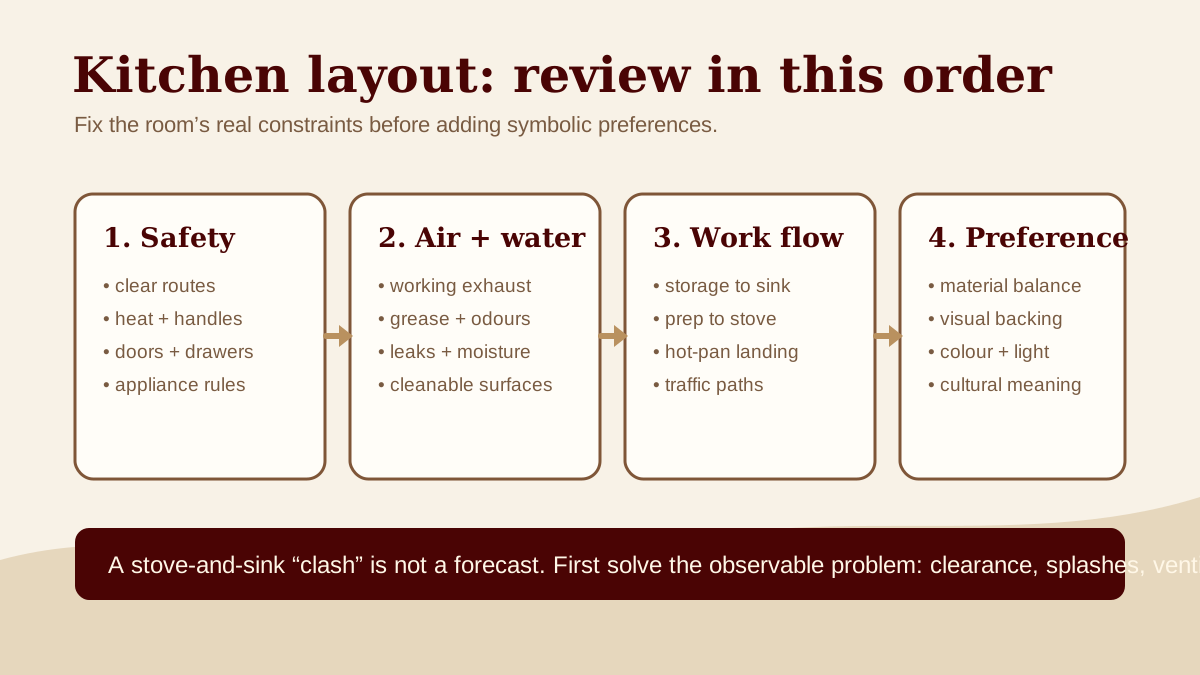
The door is visible from the dining table. Keep the view simple: a clean door, appropriate privacy, a working fan, closed storage, and a clear hall route. If the sightline remains distracting, use the open floor plan guide to make a modest zoning change that does not create a barrier. The kitchen’s practical needs still come first; see the kitchen layout guide for venting, hot zones, and work flow.
A weekly bathroom reset
- Run the fan during and after a normal shower according to its instructions.
- Look below the sink, around the toilet, and at the shower edge for fresh water or a new stain.
- Dry or hang towels so they can actually air out.
- Clear the floor, especially the route used at night.
- Wipe the sink and the one surface that collects the most products.
- Test the door, latch, light, and fan for a new rattle, bind, or failure.
- Put away products that do not belong in a humid room.
This is a mundane routine. That is why it works. It creates a bathroom that is easier to enter, maintain, and share.
Sources and limits
The practical moisture and indoor-air guidance in this article is based on the CDC’s mould guidance, the EPA’s indoor-air overview, and the EPA’s home indoor-air actions, updated June 4, 2026. These sources inform the sections about moisture, ventilation, and remediation priorities; they do not establish Feng Shui outcomes. Follow local requirements and obtain qualified help for persistent moisture, mould, electrical issues, plumbing, waterproofing, structural changes, or accessibility work.
What to read next
For the home’s other service room, read the Feng Shui kitchen layout guide for cooking flow, exhaust, and safe use of the stove and sink. For a whole-home comparison before an offer or renovation, continue with the practical home-buying checklist.