Short answer
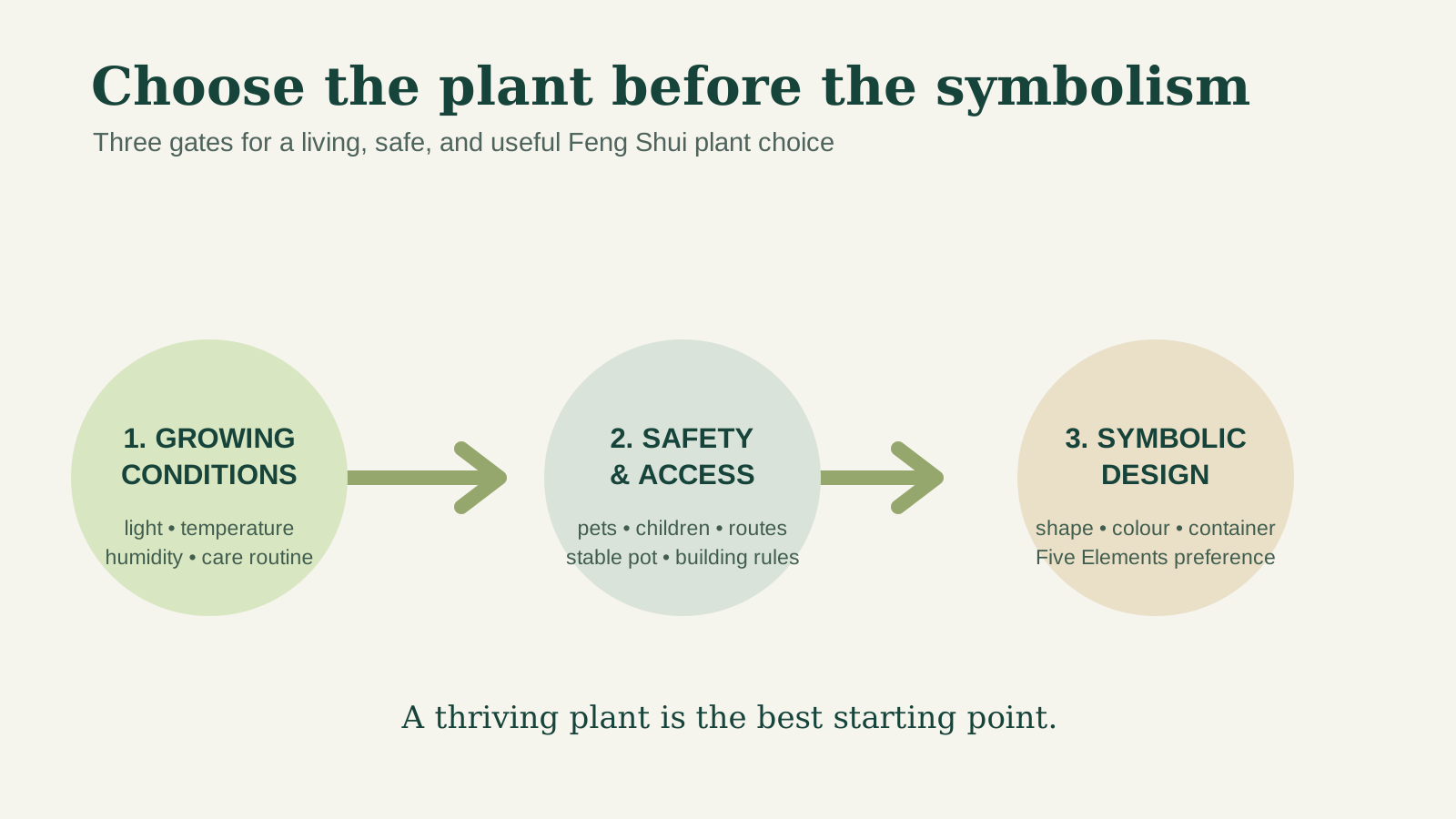
A balcony garden can be a thoughtful Feng Shui threshold between an apartment and the wider city, but it succeeds only when it is safe, permitted, and easy to maintain. Check building rules, balcony load, drainage, wind, fire access, and the amount of light before choosing plants or symbolic directions. Start with a small, clear arrangement that preserves the door and drain; add traditional Wood-element meaning only after the practical plan works.
A balcony is not a miniature backyard
Online Feng Shui advice sometimes treats a balcony like a simple East-or-Southeast garden and recommends more greenery as the answer to an unpleasant view. That skips the constraints that make balcony gardening different: containers gain weight after watering, wind is stronger at height, drains are shared infrastructure, and many buildings set rules for railings, barbeques, furnishings, and watering.
Use the balcony as a threshold, not a storage shelf or a defensive wall of plants. In Feng Shui terms, it can soften a hard urban view and create a gentler transition from indoors to outdoors. In practical terms, it should still allow the door to open, the drain to work, neighbours to be safe, and you to care for every plant.
The non-negotiable first pass
Do this before purchasing a single planter.
| Check | Why it matters | What to do |
|---|---|---|
| Lease/condo rules | Buildings may limit rail planters, trellises, water, and furniture | Read current rules; ask management when the wording is unclear |
| Structural load | Wet soil, pots, furniture, and people add up | Use the building’s guidance or a qualified professional; never guess from a photo |
| Drainage | A blocked drain can cause water damage | Keep the drain visible and clear; never route water to another unit |
| Door and egress | A balcony may be part of a required exit or a daily access route | Keep a direct, uncluttered path and door swing |
| Wind and railings | High wind can topple pots and turn objects into hazards | Select stable, low-profile containers and follow railing rules |
| Sun and shade | The view direction is not the same as plant-light conditions | Observe direct sun for several days before selecting plants |
The Canada Mortgage and Housing Corporation’s condominium guidance is a useful starting point for understanding that condominium living has shared-property responsibilities. Your local rules and building documents control the details.
Advertisement
Use a three-band layout
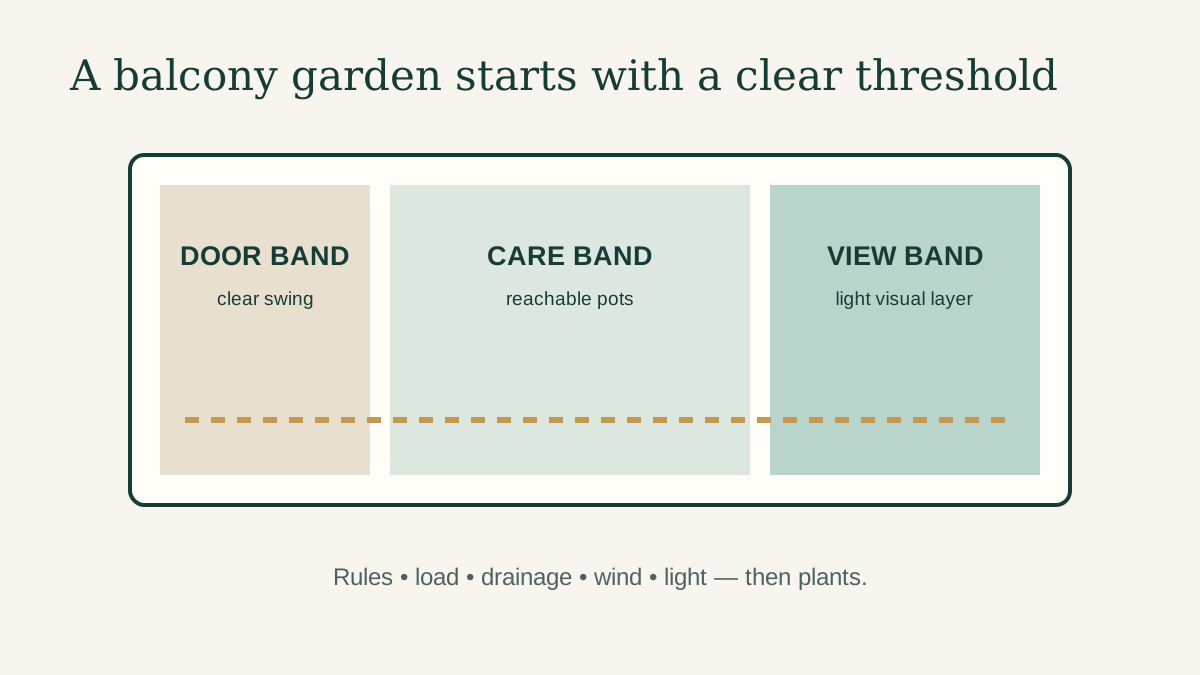
Divide a balcony into three simple bands, even if it is only a few steps deep.
- Door band: nothing that blocks the door, threshold, or emergency route.
- Care band: containers you can reach to water, prune, and inspect without climbing or leaning over a railing.
- View band: the lightest visual layer—perhaps one taller plant set safely inside the railing line, a chair, or open space to look out.
This arrangement improves both flow and maintenance. A balcony with every container pressed against the railing may look lush on day one but becomes difficult to water and inspect. A single layer with gaps lets air and sight move through. If a harsh building, road, or service area is in view, choose a modest filter rather than a solid screen that creates wind pressure or violates rules.
Direction is a cue, not a plant-care plan
In Five Elements language, green growing plants are commonly associated with Wood. East and Southeast are often discussed as Wood-friendly sectors. That can guide a reader who enjoys symbolic design, but it cannot tell you whether a balcony gets six hours of sun, reflected heat from glass, or a cold crosswind.
Observe first. Make a note at breakfast, midday, and late afternoon for three clear days. Does the balcony receive direct sun, bright indirect light, or mostly shade? Does wind dry the top inch of soil quickly? Is the floor hot enough to stress roots? Those observations are more useful than an annual horoscope for selecting plants.
For plant symbolism and indoor material balance, see plants by element. Keep the plant’s care label, local climate, and your watering routine in charge of the final decision.
Choose containers for calm maintenance
Use fewer containers than you think. Start with two or three, all reachable from inside the balcony. Select stable pots with saucers or an approved drainage approach. Water adds substantial weight: one litre of water weighs about one kilogram, before soil, pot, furniture, and people are counted. That is why a water feature, large tree, or row of saturated planters should never be added casually to a balcony.
Avoid standing water. It can leak, attract insects, freeze, or become a safety and maintenance problem. A small watering can used intentionally is usually a better first step than a fountain. If you are considering a water element indoors or in a yard, read water-feature placement for the design questions—but keep balcony structural and building rules ahead of any symbolic placement.
Three balcony situations
North-facing or shaded balcony
Let shade be information, not failure. Choose plants suitable for the actual light level, avoid crowding the railing, and use lighter surfaces or a small mirror only if it is secure and does not reflect glare toward neighbours or traffic. A chair, warm textile, and one healthy plant can create more welcome than a struggling collection of sun-lovers.
Glass high-rise balcony
Glass can intensify glare and heat while offering little visual backing. Use low, stable containers inside the railing line and observe leaf scorch, wind, and watering needs. Do not attach items to glass or railings without approval. The glass-condo guide addresses the indoor side of this exposure.
Balcony with an unpleasant view
Do not turn the balcony into a sealed barricade. Use a narrow, permitted planting layer to frame the view, keep an open sightline for safety, and create one comfortable place to pause. If the source is persistent noise, odour, or building damage, record it and use the appropriate property-management route. Plants cannot solve a hazardous external condition.
A seven-day balcony experiment
For one week, keep the balcony nearly empty except for one chair and two small containers. Record direct sun, wind, floor heat, water use, and whether the door route is still clear. On day seven, decide whether you need shade-tolerant plants, a more stable pot, less furniture, or no further additions. This low-cost test prevents the familiar cycle of buying plants for a picture and abandoning them after the first heatwave.
Sources and what to read next
- RHS advice on container gardening explains basic container-care considerations; match plant selection to local climate and exposure.
- CMHC condominium-owner information is a reminder to check shared-property responsibilities and building documents.
- Backyard energy-flow design is the right next read for a ground-level outdoor space where slopes and drainage, rather than balcony load, are the main questions.
What to read next: Use plants by element after you have measured light and confirmed your rules. It will help you choose a visual palette without asking a plant to do a building manager’s job.